Any pool company will tell you that regular vacuuming keeps your pool water crystal clear and safe for swimming. This guide takes you through the straightforward process of cleaning your pool, from start to finish. You’ll learn how to select the right vacuum, prepare your pool, follow simple vacuuming steps, troubleshoot common issues, and maintain a proper water balance. These straightforward tips help you keep your pool sparkling clean throughout the entire season.
Choosing the Right Vacuum Equipment
Select vacuum equipment based on the type of debris that fills your pool. If you have a lot of large debris, such as leaves and twigs, use a manual vacuum with a leaf bag attachment. These vacuums handle large items without getting blocked. If your pool primarily contains fine debris, such as sand or dirt, opt for a robotic vacuum with a fine mesh filter. Robotic vacuums capture small particles, leaving your pool crystal clear. Know what your pool needs so you can pick the best vacuum for great cleaning results.
Preparing Your Pool for Vacuuming
Start by removing large debris floating on the water surface with a skimmer net. This step prevents the vacuum from getting clogged and improves the cleaning process. Check and clean your pool filter to ensure optimal suction power while vacuuming. Inspect your vacuum equipment to ensure it functions properly and that all hoses connect securely. Brush the pool walls and floor to loosen dirt or algae, making it easier for the vacuum to pick up debris. Set the water level to the correct height for vacuuming and ensure all equipment is ready before you begin.
Vacuuming Your Pool Step-by-Step
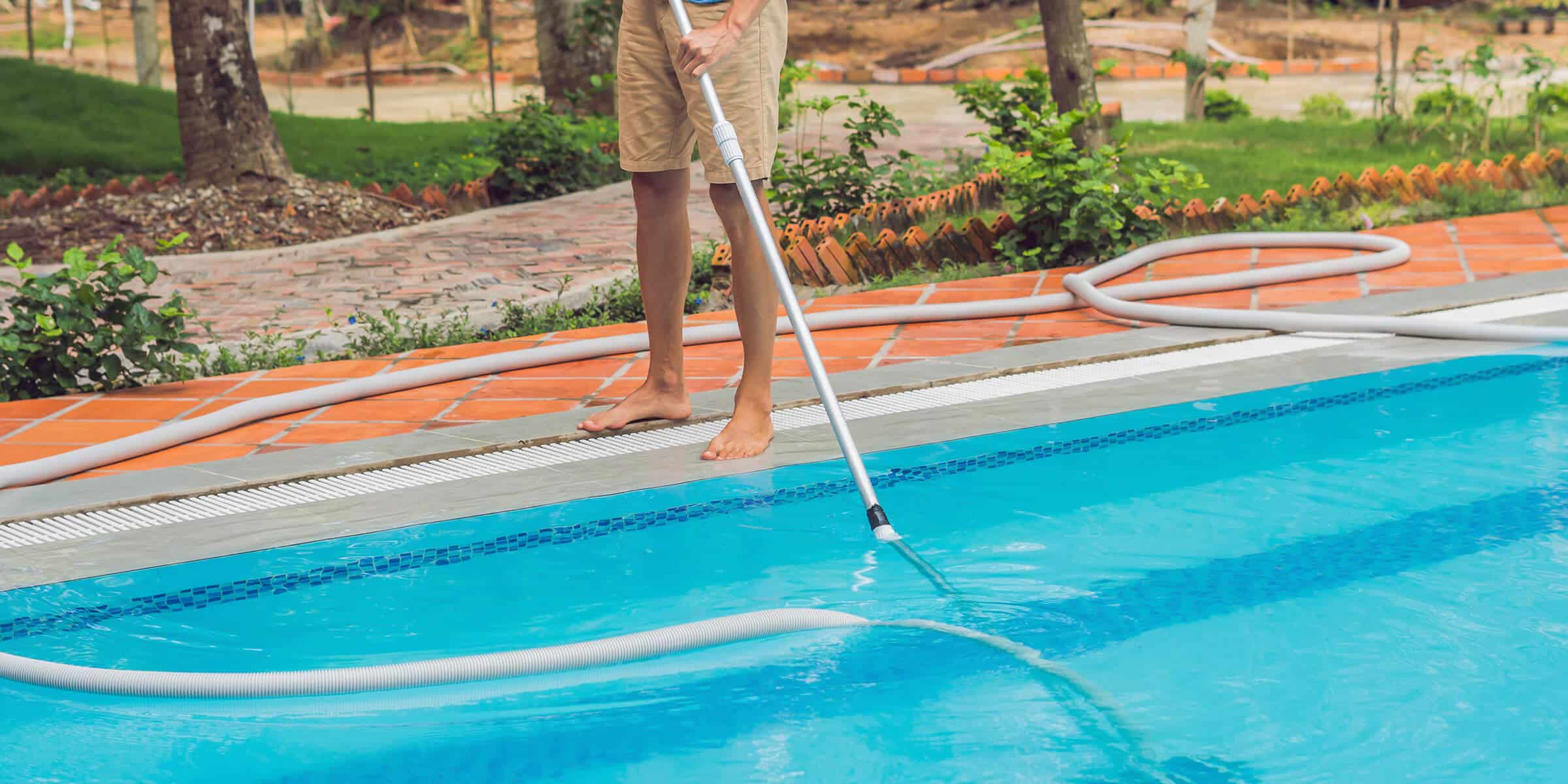
Connect the vacuum head to the telescopic pole, ensuring they fit together tightly, before placing the vacuum head in the pool. Attach one end of the vacuum hose to the vacuum head and slowly lower it into the water, ensuring it does not trap air inside. Hold the other end of the hose up to the pool’s return jet to remove air bubbles from the water. Once the hose fills with water, please attach it to the skimmer or suction port. Turn on the pool pump to start the suction. Slowly move the vacuum head across the pool floor in straight lines, overlapping each pass slightly to ensure thorough cleaning.
Troubleshooting Common Vacuuming Issues
Identify and resolve issues that can prevent your pool vacuum from functioning properly. If your vacuum loses suction, check for clogs in the hose or filter. Ensure the pump and filter function properly. If the vacuum head doesn’t move smoothly, check the wheels for debris or damage. Ensure the pool water level is high enough for the vacuum to operate properly. If debris gets pushed away instead of picked up, slow down your vacuuming movements. If your vacuum leaves dirt behind, backwash the filter or clean it completely. Resolving these common issues enables you to vacuum your pool effectively.
Maintaining a Clean Pool Water Balance
Test your pH and chlorine levels regularly to maintain a balanced and clean pool water. Maintaining a proper water balance helps your pool’s cleaning system function effectively and keeps swimmers comfortable. Follow these key steps for clean, balanced pool water:
- Test the water regularly using a good pool testing kit
- Keep pH levels between 7.4 and 7.6 for the best cleaning results
- Maintain chlorine levels between 1.0 and 3.0 parts per million (ppm) for proper cleaning
- Use stabilizers to prevent chlorine from breaking down quickly in sunlight
Related Topics: