Pool water chemistry can seem complicated, but understanding pH levels is simple once you know the basics. This guide provides easy-to-follow methods for raising the pH level in your pool, utilizing various materials and techniques. Finding the best pool company advice starts with learning these basic techniques yourself. We’ll explore various options, including chemical treatments, natural remedies, testing methods, and maintenance tips, to help you keep your pool water balanced and safe for swimming.
Importance of Ph Balance
Maintaining the right pH balance in your pool is crucial for maintaining clean water, prolonging the lifespan of your equipment, and ensuring the effectiveness of your pool chemicals. The pH level indicates whether water is acidic or basic, affecting everything from swimmer comfort to the effectiveness of chlorine. Your pool’s pH level should be maintained between 7.2 and 7.6. When the pH level drops below 7.2, water becomes acidic and can irritate the skin and eyes, while also damaging pool equipment. When the pH level exceeds 7.6, water becomes too basic, rendering chlorine less effective and potentially causing white scale buildup. Regularly testing and adjusting the pH level keeps your pool safe and enjoyable to swim in.
Chemical Options for Ph Increase
Several chemical products can help raise the pH in your pool quickly and safely. Here are three main options you can use:
- Sodium Carbonate (Soda Ash): This chemical rapidly raises pH levels and is effective for making larger adjustments.
- Sodium Bicarbonate (Baking Soda): Ideal for small pH adjustments, baking soda is a safer and gentler alternative to stronger chemicals.
- Calcium Hydroxide (Lime): This chemical raises the pH and adds calcium to water, helping to maintain overall water balance.
When you use these chemicals correctly and in the recommended amounts, they help maintain your pool at the ideal pH level for safe swimming.
Natural Remedies to Raise Ph
Natural methods provide eco-friendly ways to raise the pH level in your pool without using harsh chemicals. Baking soda from your kitchen is effective in increasing pH levels. Mix 1.5 pounds of baking soda in a bucket of water, then spread it evenly around your pool. Aeration, which involves adding more oxygen to water, also naturally raises the pH. You can install a fountain or waterfall to help aerate the water. Crushed eggshells slowly release calcium carbonate, which helps maintain a balanced pH level. Put the eggshells in a mesh bag and place them in the skimmer basket. These natural options gently adjust pH levels while using fewer harsh chemicals.
Testing and Monitoring Ph Levels
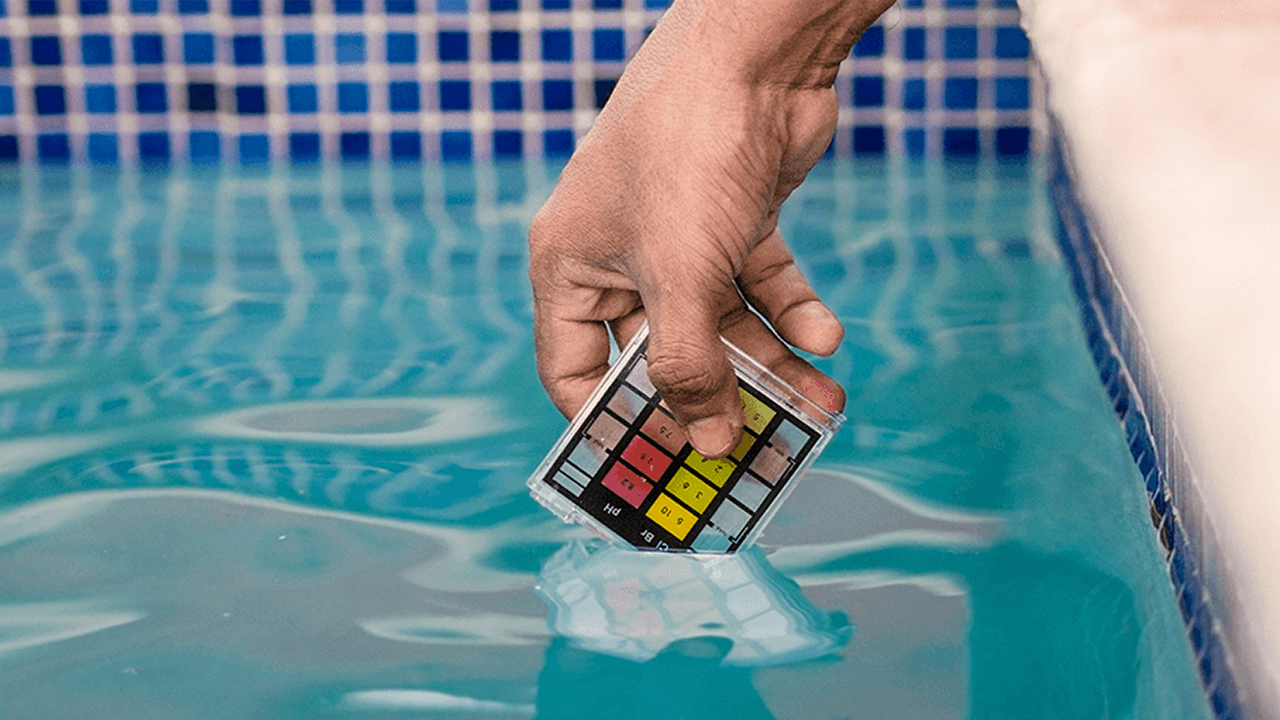
Regular testing helps you monitor pH levels and maintain a proper water balance. Follow these three simple steps to test and monitor pH in your pool:
- Use a Reliable pH Testing Kit: Purchase a high-quality pH testing kit to measure the pH level of your pool water accurately.
- Test Your Pool Water Weekly: Make it a routine to test your pool water at least once a week to ensure the pH level stays within the right range.
- Keep Records: Record your pH test results to track any changes and adjust chemicals as needed to maintain a balanced pH.
Maintenance Tips for Balanced Ph
Maintaining a balanced pH level requires regular care and strategic planning to ensure optimal water quality. Test your pool’s pH levels regularly using a reliable testing kit and make adjustments as needed to maintain a pH level between 7.2 and 7.6. Use pH increases or decreases following the product instructions. Remember that rain, swimming, and adding fresh water can change pH levels, so check regularly. Clean your pool filters and skimmers regularly to prevent debris buildup that can affect the pH level. Store pool chemicals in a cool, dry place, away from direct sunlight, to maintain their effectiveness. Following these simple maintenance steps helps keep your pool’s pH balanced for crystal-clear water.
Related Topics: