
Keeping your pool pump running smoothly is one of those maintenance tasks that often gets overlooked until something goes wrong. If you own high-quality fiberglass pools, you know how important proper equipment care is for crystal-clear water all season long. The pump is basically the heart of your pool’s circulation system, and priming it correctly makes all the difference. This guide walks you through everything you need to know to get your pump primed and keep it that way. Let’s break down why this matters and how to do it right.
Importance of Pool Pump Priming
Priming your pool pump before firing it up keeps your entire system running smoothly. When you prime the pump, you’re basically filling it with water and pushing out any trapped air. Air pockets disrupt water flow and can damage the pump’s internal parts over time. Without proper priming, your pump works harder than it needs to, which means higher electric bills and shorter equipment life. Taking a few minutes to prime correctly saves you money and headaches down the road.
Tools Needed for Pump Priming
You don’t need a ton of fancy equipment to prime your pump. Here’s what to grab before you start:
- A bucket or garden hose for water
- Pliers for loosening tight fittings
- Teflon tape to seal connections
- A pressure gauge to check system pressure
- Flathead screwdriver for stubborn parts
- Silicone grease for O-rings and gaskets
Having everything ready before you start makes the whole process way easier and faster.
Step-by-Step Pump Priming Process
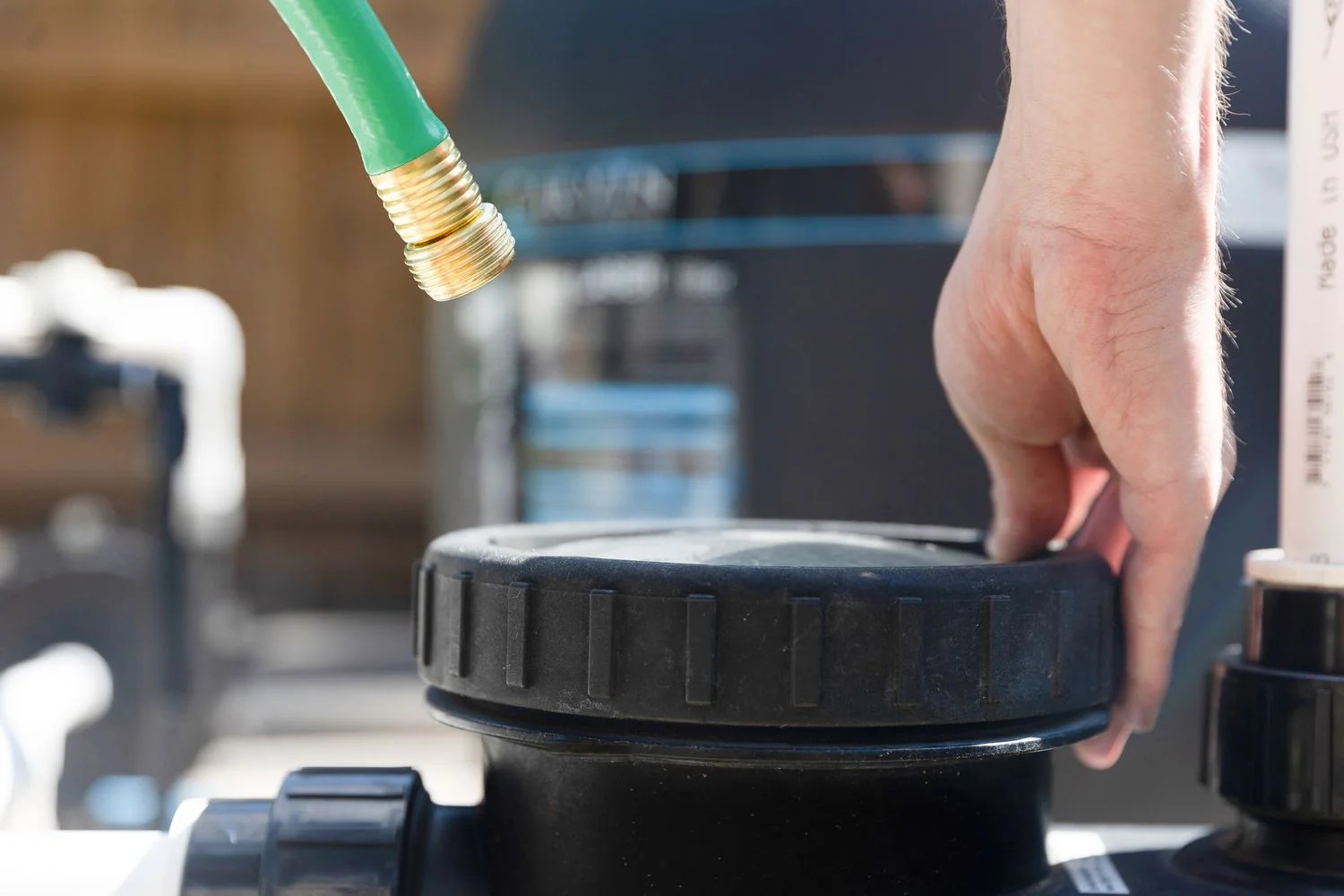
Start by turning off the pump completely. Remove the pump lid and check the O-ring for any cracks, wear, or dirt. Fill the pump housing with water using your garden hose or bucket until water reaches the top of the inlet. Put the lid back on and make sure the O-ring sits properly in its groove. Turn the pump back on and watch the water flow through the system. You might need to repeat this a couple of times until the pump holds a steady flow without sputtering.
Troubleshooting Common Pump Priming Issues
Sometimes priming doesn’t go as planned. Air leaks are the biggest culprit check all connections, the pump lid, and O-rings for gaps or damage. A clogged impeller or strainer basket blocks water flow and prevents the pump from priming correctly. Clean out any leaves, debris, or buildup you find. Low pool water levels or a blocked skimmer can also cause problems. Make sure your water level sits above the skimmer opening and nothing’s blocking the intake.
Maintaining Pump Efficiency
Regular checkups keep your pump running at its best. Look for leaks, cracks, or weird noises every few weeks. Clean the strainer basket often since clogs kill efficiency fast. Watch your pressure gauge for sudden changes that signal trouble. Apply lubricant to O-rings and seals to reduce friction and keep things moving smoothly. Check the impeller regularly and clean out anything stuck in there. These simple habits prevent bigger problems and keep your pump working longer.
Tips for Long-Term Pump Care
Staying on top of pump maintenance isn’t complicated. Check your pump regularly for signs of wear or leaks. Pay attention to pressure readings and investigate if numbers seem off. Clean the strainer and basket every week during swim season to prevent clogs. Get a professional to service your pump once a year to catch issues you might miss. When winter hits, winterize the pump properly to protect it from freezing damage. Stick to these basics, and your pump will last years longer than one that gets ignored.
Related Topics: