Installing a pool liner takes some planning, but the right approach makes all the difference. You’ll want to pick a durable material, properly prep your pool surface, and take your time with positioning. Leading fiberglass pool builders often recommend vinyl liners for their flexibility and long-lasting performance. This guide walks you through each step of the installation process from start to finish. Follow along, and you’ll end up with a liner that looks great and holds up for years.
Pool Liner Selection
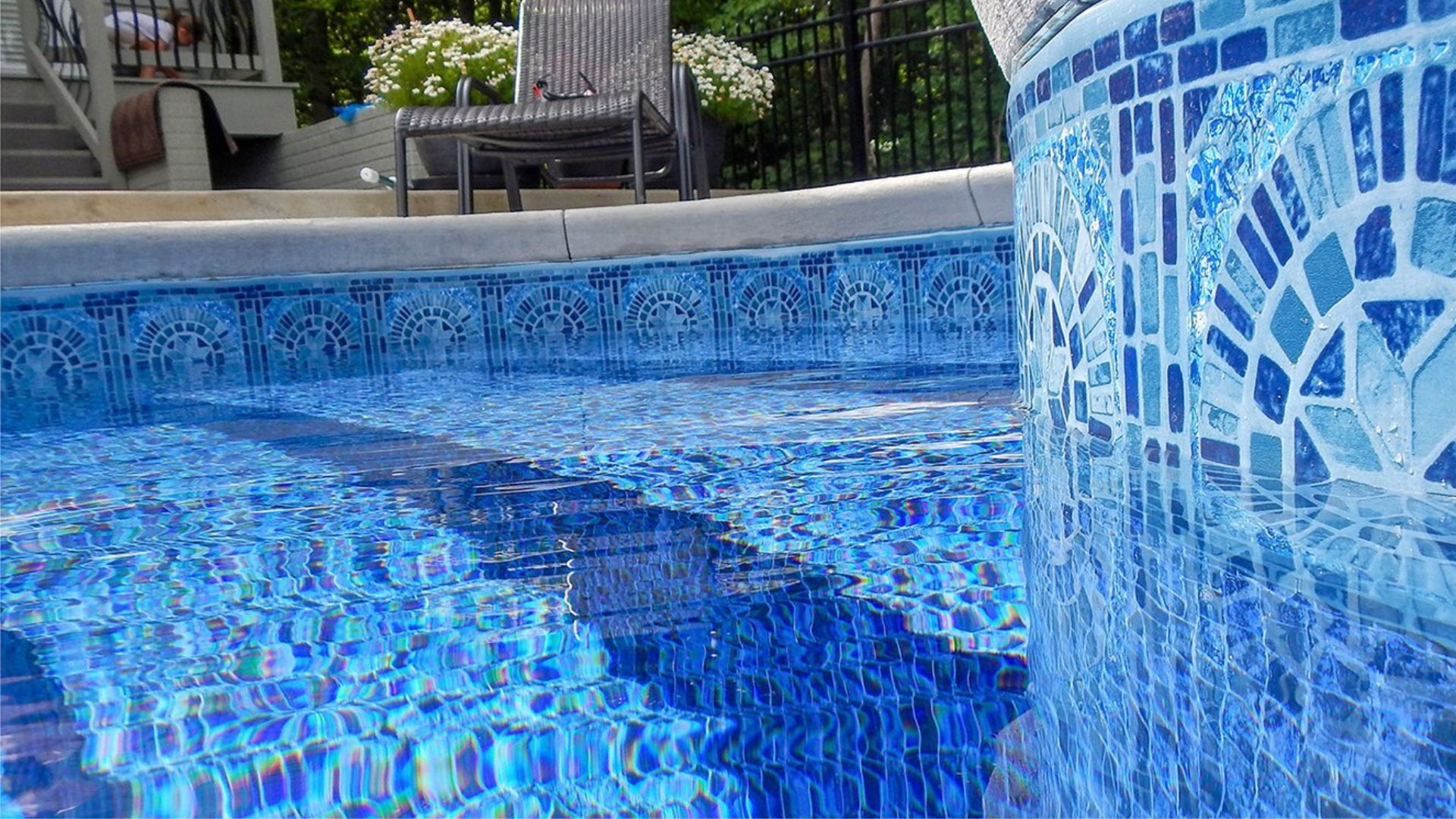
When picking a pool liner, think about material durability, color options, and thickness to get something that lasts and looks good. The material you choose affects how well it holds up against daily wear. Your main options include vinyl, fiberglass, and concrete. Vinyl liners are popular because they’re affordable and work with most pool shapes. Colors range from bright blues to natural earth tones, so you can match your pool’s overall look. Thickness matters too; a thicker liner handles punctures and UV damage better than a thin one. By weighing these factors, you’ll end up with a pool liner that performs well and stands the test of time.
Preparing the Pool Surface
Before installing the liner, you need to properly prep the pool surface for a smooth, lasting application. Here’s how to get it done:
- Clean the Pool: Remove all debris, dirt, and algae from the pool surface. Scrub the walls and floor thoroughly, so you have a clean base for the liner.
- Repair Any Damage: Check the pool surface for cracks, chips, or rough spots. Fill in any gaps with pool patching material to create an even surface.
- Smooth Out Uneven Areas: Use a pool sand mixture to level bumps on the pool floor, creating a flat surface for the liner.
Positioning the Liner
To ensure a successful installation, position the liner carefully in the pool, starting at one end and moving toward the other. Unfold the liner in the center of the pool and line it up with the walls and corners. Smooth out any wrinkles or air pockets by gently pressing the liner against the pool walls. Make sure the liner sits centered and evenly positioned before you start filling the pool with water. Don’t drag the liner across the pool surface; this can cause tears or throw off the alignment. Take your time here to get a proper fit and avoid problems later on. Good positioning sets the stage for everything else to succeed.
Securing the Liner in Place
Start by fastening the pool liner using coping strips to hold it along the top edge of the pool walls. Here’s how to lock it down properly:
- Aligning the Liner: Make sure the liner sits evenly within the pool walls before you start securing it with coping strips.
- Installing Coping Strips: Place the coping strips over the liner and the top edge of the pool walls, then tighten them to keep the liner in position.
- Checking for Secure Fit: After installing the coping strips, check the liner to confirm it’s held firmly, with no wrinkles or loose spots.
Filling and Adjusting Water Levels
Start by gradually filling the pool with water, adjusting the water level as you go. The liner needs to settle evenly as the water rises, which prevents wrinkles and creases from forming. As the water fills the pool, keep an eye on the liner and smooth out any imperfections that show up. Use a pool brush to gently push out any air pockets trapped under the liner for a clean fit. Adjust the water flow to keep a consistent level throughout the pool, and don’t overfill. This careful approach ensures a properly installed liner that looks sharp and lasts for years.
Finishing Touches and Maintenance
As you wrap up the pool liner installation, paying attention to finishing touches and ongoing maintenance keeps everything looking good and lasting longer. Here are three steps to complete the job:
- Trimming and Securing: Cut away any extra liner material for a clean, tight fit. Lock the liner in place using coping strips or bead receivers for a smooth finish.
- Inspecting for Leaks: Check the liner carefully for any leaks or tears. Patch up any damage right away to prevent water loss and keep the liner in good shape.
- Chemical Balance: Maintain the pool water’s chemical balance to extend the liner’s life. Test and adjust pH levels, chlorine, and other chemicals regularly for proper maintenance.
Related Topics: