
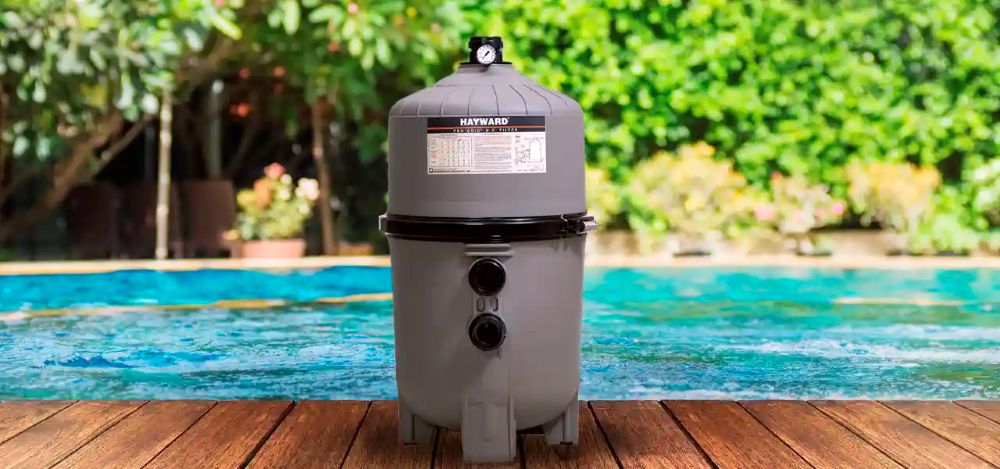
Diatomaceous earth pool filters use a natural filtration medium to deliver exceptional water clarity for swimming pools. DE filters employ diatomaceous earth powder to capture microscopic particles measuring 2-5 microns from pool water. The filtration system works by coating internal grids with this fine powder, creating a barrier that traps contaminants while allowing clean water to pass through. Pool owners choose DE filters because they provide superior water quality compared to sand or cartridge alternatives, making them particularly popular with Florida’s quality fiberglass pools that demand crystal-clear water. These systems require periodic backwashing and DE powder replenishment for optimal performance.
Understanding DE Pool Filter Technology
DE pool filters stand out from other filtration systems for their remarkable ability to remove fine debris from swimming pool water. The technology relies on diatomaceous earth, a powdery substance created from fossilized diatom remains, which acts as the primary filtration medium.
These filters capture particles significantly smaller than what sand filters can handle. While sand filters typically remove debris sized 20-40 microns, DE systems can trap contaminants as small as 2-5 microns. This difference translates to noticeably clearer water that feels softer and looks more inviting.
The filtration process requires regular backwashing to remove accumulated debris and refresh the DE coating on the filter grids. Pool maintenance includes adding fresh DE powder after each backwashing cycle to maintain optimal performance.
What Makes Diatomaceous Earth Effective
Diatomaceous earth consists of fossilized remains from single-celled algae called diatoms. These microscopic organisms developed hard, silica-based shells, which give modern DE powder its unique properties.
The material’s effectiveness stems from its incredibly porous structure. Each DE particle resembles a tiny sponge filled with microscopic holes and channels. This porosity creates a large surface area relative to the powder’s actual size, allowing it to capture and retain large amounts of debris.
When water passes through DE-coated filter grids, contaminants are trapped in these porous channels while clean water continues to flow back to the pool. The natural composition makes DE an ideal filtration medium that works without the need for chemical additives or complex mechanical processes.
How DE Filtration Works Step by Step
Water circulation begins when the pool pump draws water from the skimmers and main drains. This water flows through the pump and into the DE filter housing, where it encounters grids coated with diatomaceous earth powder.
The DE coating acts like an extremely fine mesh, catching particles ranging from visible debris to microscopic contaminants. Some bacteria and other microorganisms also get trapped during this process, helping improve water and sanitation.
Clean water exits the filter housing and returns to the pool through return jets. Continuous circulation ensures that all pool water passes through the filtration system multiple times each day, gradually removing accumulated contaminants.
As debris builds up on the DE coating, water flow resistance increases. This buildup triggers the need for backwashing, which reverses the water flow to flush out trapped contaminants and spent DE powder.
Proper Maintenance for Peak Performance
Backwashing becomes necessary when the pressure gauge reads 8-10 psi above the clean starting pressure. This pressure increase indicates that accumulated debris is restricting water flow through the filter grids.
The backwashing process involves reversing the water flow through the filter to flush out trapped debris and used DE powder. After backwashing, fresh DE powder must be added to recoat the filter grids. The amount needed varies by filter size but typically ranges from 1 to 8 pounds, depending on the system specifications.
Filter grid inspection should happen at least annually to check for tears, cracks, or other damage. Damaged grids allow unfiltered water to bypass the DE coating, reducing filtration effectiveness. Replacing worn grids prevents contaminated water from entering the pool circulation system.
Regularly cleaning the pump and skimmer baskets prevents large debris from reaching the DE filter. This simple maintenance step reduces the workload on the filtration system and extends the time between backwashing cycles.
Advantages of DE Pool Filtration
DE filters deliver water clarity that surpasses other common pool filtration methods. The ability to capture particles 2-5 microns in size removes contaminants that would remain suspended in water filtered by sand or cartridge systems.
Water conservation is a significant benefit because DE filters require less frequent backwashing than sand filters. The superior filtration efficiency means longer intervals between cleaning cycles, reducing water waste and chemical dilution.
Better water circulation results from the efficient filtration process. Clean water flows more freely through pool plumbing and equipment, reducing strain on pumps and heaters while improving chemical distribution throughout the pool.
The filtration quality creates a more enjoyable swimming experience. Water feels softer and looks more inviting when the DE coating removes microscopic particles that cause cloudiness or irritation.
Comparing DE to Alternative Filter Systems
Sand filters represent the most common pool filtration method, but capture only particles sized 20-40 microns. This larger pore size allows smaller contaminants to remain in circulation, resulting in water that appears less clear than DE-filtered pools.
Cartridge filters fall between sand and DE systems in terms of filtration capability, typically removing particles in the 10-20 micron range. While cartridge systems require no backwashing, they often require frequent cartridge cleaning or replacement, which can be labor-intensive.
Cost considerations vary between filter types. DE filters typically cost more initially and require ongoing DE powder purchases. However, the superior water quality and reduced chemical usage often offset these expenses over time.
Maintenance complexity differs significantly between systems. DE filters require more technical knowledge for proper operation, including understanding backwashing procedures and DE powder dosing. Sand and cartridge systems offer simpler maintenance routines that many pool owners find easier to manage.
Contact Us
Our expert team is here to help you create your dream backyard oasis. We take pride in our exceptional customer service, high-quality products, and expert craftsmanship. Let us help you make your pool and spa dreams a reality!
Address: 6040 Main Street, New Port Richey, Florida 34652
Phone: (727) 843-0423
Email: info@hawaiianislandpools.com
Business Hours:
- Mon to Fri: 8 AM – 5 PM
- Sat & Sun: Closed
Contact us using the form below or call us directly for any inquiries about our pool and spa services.
Related Topics: