
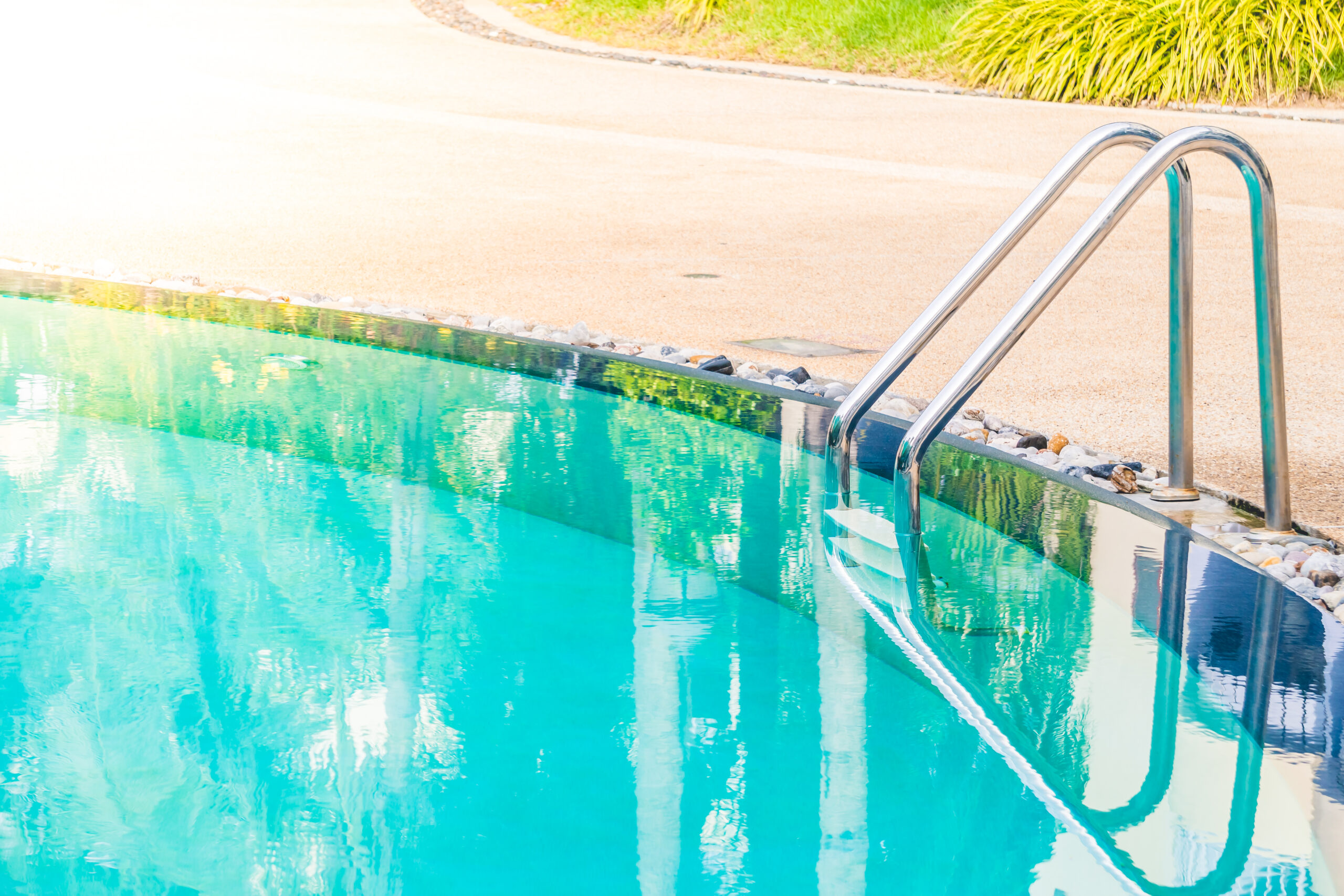
Pool maintenance in New Port Richey doesn’t follow the same seasonal calendar as pools in northern states. There’s no winterization in Pasco County. Your pool runs year-round, which means year-round attention, even if the demands shift by season. If you’re planning a high-quality fiberglass pool installation or already own one, staying on top of seasonal care is what keeps the water clean, the equipment running efficiently, and the whole system functioning as it should. Hawaiian Island Pools is a third-generation fiberglass pool builder based in New Port Richey, with over 60,000 pools installed across the Tampa Bay area. This checklist is built specifically for fiberglass pool owners in Pasco County.
Why Fiberglass Pools Are Easier to Maintain in Florida
Before getting into the checklist, it’s worth understanding why fiberglass pools require less ongoing work than concrete in New Port Richey’s climate.
The fiberglass surface is non-porous. Algae cannot penetrate or bind to it the way they do with concrete’s porous plaster surface, which, in Pasco County’s heat and humidity, translates directly into less scrubbing, fewer algaecide treatments, and lower chemical use month to month.
There’s also no replastering. Concrete pools need to be replastered every 10 to 15 years. Fiberglass pool owners skip that cost entirely, and the shell carries a lifetime structural warranty. That said, consistent maintenance is still required. Water chemistry, equipment checks, and storm prep are ongoing regardless of pool type.
Spring Maintenance (March through May)
Spring is when pool use typically picks back up in New Port Richey. Temperatures climb through March and April, and families start using the pool regularly again by May.
Test pH, alkalinity, calcium hardness, and sanitizer levels. After the milder winter months, chemistry may have drifted, and getting it balanced before the heavy use season starts matters. Inspect the pump, filter, and heater for any wear or leaks that developed over the cooler months, and confirm everything is running efficiently before it’s under heavy demand.
Inspect the fiberglass shell for any visible staining or discoloration that developed during winter. Mineral staining can occur if water chemistry is off during the cooler months, but fiberglass surfaces are smooth and respond well to cleaning. Check ladders, handrails, and safety equipment as well, and replace anything showing wear before regular family use resumes.
Summer Maintenance (June through August)
Summer is the peak use and maintenance demand season. Florida’s heat and humidity create conditions where algae thrives, and the pool is being used more than at any other time of year.
Test water chemistry two to three times per week during peak summer. Heat and heavy use burn through sanitizer faster, and maintaining proper levels is your primary defense against algae. Plan for weekly shock treatments during heavy use periods, particularly after parties, rain events, or extended swim sessions.
Clean or backwash the filter more frequently during summer since debris, sunscreen, and organic matter accumulate faster when the pool is in daily use. Daily skimming is not excessive during this season. Florida’s afternoon thunderstorms regularly drop leaves and debris into the water, making it easier to stay ahead of them than to deal with the buildup. Keep the pump running during peak heat to maintain water circulation since stagnant warm water is where algae problems begin.
Storm Season Prep (June through November)
Pasco County sits in Florida’s active storm corridor. Preparing your pool before a named storm and caring for it immediately after are both part of ownership here.
Before a storm, remove any pool accessories, floats, and loose items from the pool area. Do not drain the pool since a full pool is heavier and more resistant to ground uplift from saturated soil. Shock the water and bring chemistry levels up before the storm hits.
After a storm, remove debris before running the pump. Running equipment with large debris in the water can damage impellers. Test and rebalance water chemistry, which gets disrupted by heavy rainfall, and check equipment for any storm-related damage before resuming normal operation. Fiberglass shells hold up well in storm conditions, and structural damage is uncommon. Adam C. described his installation experience: the pool was completed five weeks from breaking ground, with two hurricanes in between. (Google, January 2025)
Fall Maintenance (September through November)
Storm season tapers off through fall, and New Port Richey temperatures begin to moderate through October and November. Pool use often continues during this period, though frequency may drop.
As temperatures cool, sanitizer consumption decreases, so adjust your treatment schedule and product quantities to match the lower demand. Over-treating in the fall is a common and unnecessary expense. Fall is also a good time to inspect and service equipment before the cooler months, including checking heater function if you plan to extend the swim season or use a spa into winter. Stay consistent with skimming since fall often brings more organic debris into the pool than summer storms do.
Winter Maintenance (December through February)
Florida doesn’t winterize pools. In New Port Richey, the pool stays full and operational year-round, and winter is the lightest maintenance period if you stay consistent.
Cooler water holds sanitizer more efficiently, so testing twice a week is sufficient for most winter periods. Adjust product quantities accordingly. Dry season in Florida can lower pool water levels through evaporation, so keep the water level within the normal range for the skimmer to function properly.
If you have a built-in spa or pool heater, winter is when they earn their place. Check the heater function and confirm settings before relying on them. Winter is also the right time for a full annual equipment service covering the pump, motor, filter, and heater. Scheduling it during the low-use period minimizes disruption to your routine.
Year-Round Maintenance Habits That Save Money
Keep water chemistry in range year-round. pH between 7.2 and 7.6 and alkalinity between 80 and 120 ppm are the targets. Fiberglass surfaces are more forgiving than concrete, but chemistry that’s consistently out of range can cause staining or affect equipment over time.
Clean the filter on a schedule since a dirty filter strains the pump and reduces circulation efficiency, and it’s one of the most common causes of avoidable equipment problems. Stay ahead of debris consistently since storms, wind, and surrounding vegetation in Pasco County mean organic matter enters the pool regularly. Skimming consistently prevents that material from breaking down in the water and affecting chemistry.
David S. noted after his installation: “Mike was a rock star after installation in showing us how to run the system and being there day or night for any questions we had.” (Google, January 2025) If you’re looking at a new pool installation in New Port Richey, that post-installation support makes a real difference. Browse pool designs or request a free in-home consultation to get started.
Related topics: