Keeping your pool sparkling clean requires regular shock treatments. If you’ve invested in expert pool installation, understanding proper maintenance schedules is key to protecting that investment. How often you shock depends on how much you use your pool, local weather conditions, and your specific pool type. Most pools need shocking every 1-2 weeks during swim season, though heavily used pools might need weekly treatments. This guide breaks down everything you need to know about timing your shock treatments correctly.
Why Pool Shocking Matters
Regular shocking keeps your pool water clean and kills harmful bacteria. The process adds a concentrated dose of chlorine (or non-chlorine shock) that breaks down organic matter and destroys algae and bacteria. This keeps your water crystal clear and safe for swimmers. Shocking also prevents chloramines from building up, which causes red eyes and that harsh chemical smell. A properly shocked pool resists algae growth, which means less scrubbing and easier maintenance overall.
What Affects Your Shocking Schedule
Your pool’s shocking needs vary based on specific conditions. Here’s what impacts how often you should shock:
- Usage: More swimmers means more contaminants, requiring frequent shocking
- Weather: Hot, sunny days burn through chlorine faster
- Algae Growth: Pools prone to algae need more attention
- Chemical Balance: Off-balance pH or alkalinity reduces shock effectiveness
- Location: High pollen, dust, or pollution areas need more frequent treatments
Pay attention to these factors to create a maintenance schedule that works for your pool.
How Often Should You Shock?
Most pools benefit from shocking every 1-2 weeks during swim season. Heavily used pools or those in hot climates might need weekly treatments. Pools with light use can sometimes go 3-4 weeks between shocks. The key is testing your water regularly and adjusting accordingly. Check your chlorine levels, pH, and water clarity weekly. If numbers look good and water stays clear, you’re on the right track. If not, increase your shocking frequency.
Warning Signs You Need to Shock
Your pool will tell you when it needs shocking. Watch for these red flags:
- Cloudy Water: Organic contaminants are overwhelming your sanitizer
- Strong Chlorine Smell: High combined chlorine levels need to be broken down
- Algae Growth: Green or brown spots appearing despite regular care
- Skin Irritation: Swimmers experiencing itchy or irritated skin
- Low Free Chlorine: Readings below recommended levels
Catching these signs early helps you maintain clean, safe water year-round.
The Right Way to Shock Your Pool
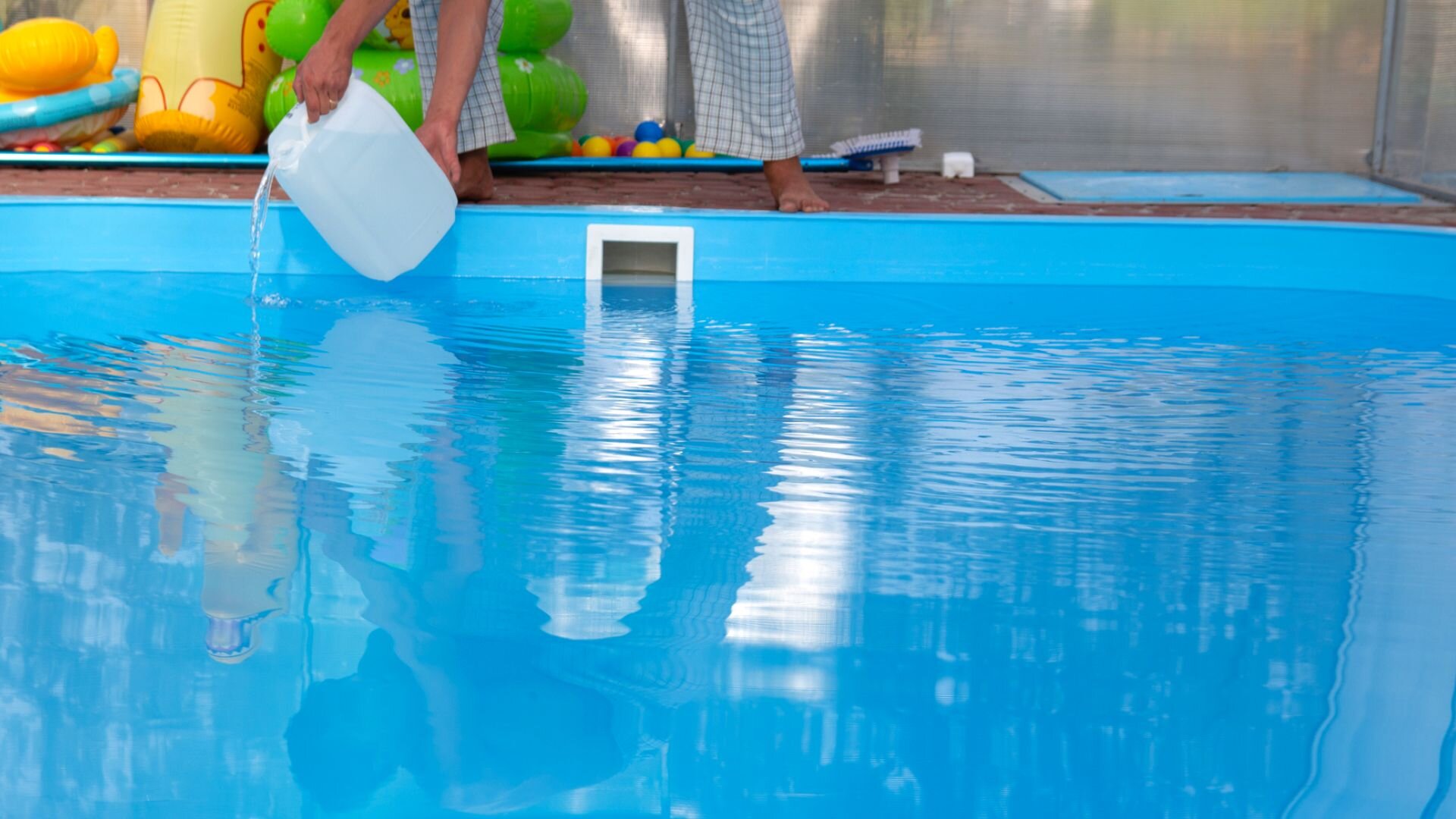
Test your water first to check current chlorine levels. Calculate the amount of shock needed based on your pool size and test results. Dissolve the shock granules in a bucket of water before adding them to your pool. Pour the mixture evenly around the pool while your filter system runs. Shock in the evening or at night, sunlight breaks down chlorine too quickly during the day. Let your pump circulate the water for several hours. Wait until chlorine levels return to normal (1-3 ppm) before letting anyone swim.
Common Shocking Mistakes
Avoid these errors to get the best results from your shock treatments:
- Not pre-dissolving granules: Always mix shock in a bucket first for even distribution
- Skipping protective gear: Wear gloves and goggles when handling pool chemicals
- Wrong dosage: Follow package instructions carefully, more isn’t always better
- Poor circulation: Run your pump for several hours after shocking
- Skipping the retest: Always test water after shocking to confirm balanced levels
Taking shortcuts can damage your pool surface and waste money on ineffective treatments.
Related Topics: