Keeping your pool’s chlorine at the right level is crucial for safe, clean water. When chlorine levels get too high, you need to dial them back before anyone takes a dip. This guide breaks down practical ways to bring those levels down and keep your pool perfectly balanced. Whether you’re tweaking your feeder settings or grabbing a chemical neutralizer, these methods will help you nail the sweet spot, the same techniques Florida’s top pool builders use to maintain optimal water conditions year-round.
Testing Chlorine Levels in Your Pool
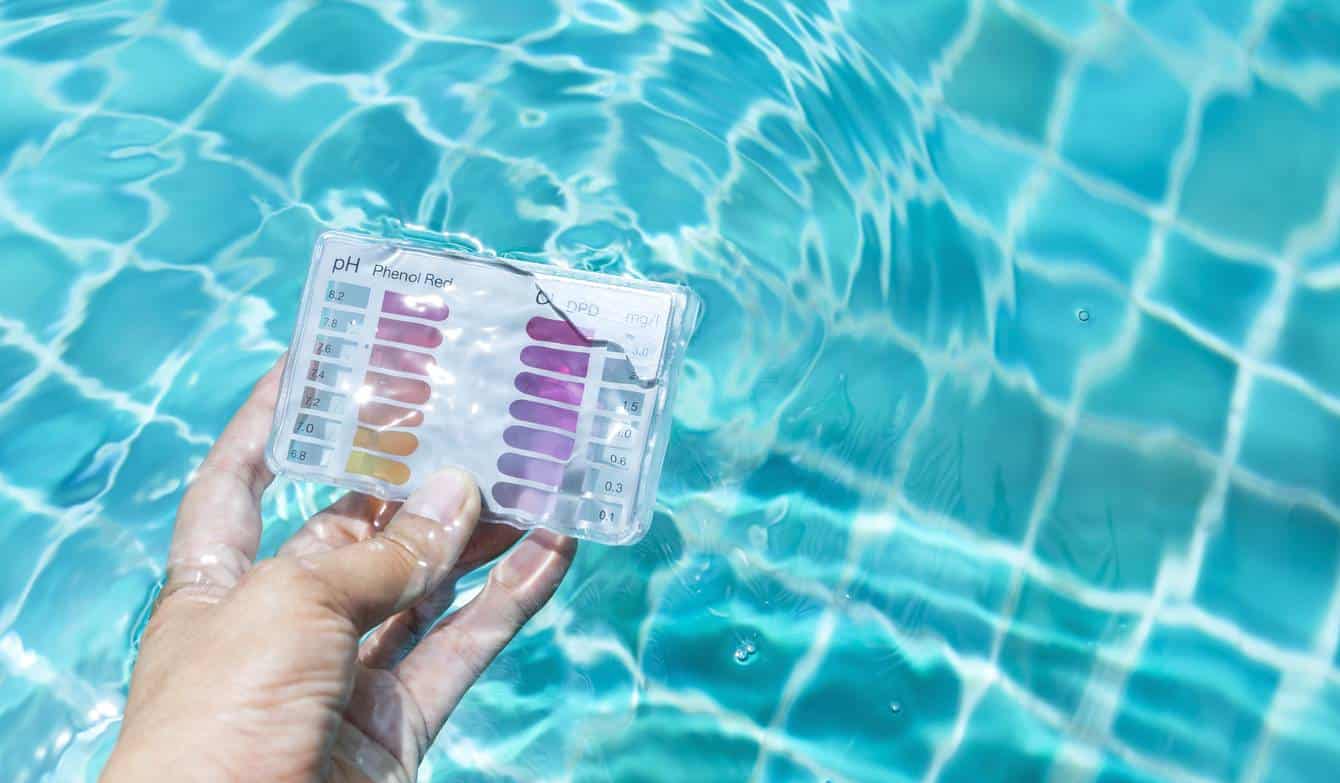
Before adjusting chlorine levels, test the current concentration. Use a reliable pool testing kit to check your chlorine levels. Ideal levels should range from 1.0 to 3.0 parts per million (ppm). If the test reveals a level above this range, it indicates that chlorine reduction is necessary. Regular testing with an up-to-date testing kit is crucial for accurate readings. Once you’ve determined the chlorine level, you can decide on the best course of action for lowering it.
Adjusting Your Chlorine Feeder Settings
To effectively reduce high chlorine levels, adjusting the chlorine feeder settings is a key step. Here’s how to adjust your feeder settings:
- Review Current Settings: Start by checking the existing settings on your chlorine feeder. Understanding your baseline helps you make informed adjustments.
- Lower the Feed Rate: If chlorine levels are too high, reduce the feed rate to lower the amount of chlorine dispensed.
- Monitor and Test Regularly: Test your pool’s chlorine levels regularly to ensure that your adjustments are working.
- Fine-Tune the Settings: Make incremental adjustments until the chlorine levels reach the desired range. Be patient, as it may take time for the changes to fully take effect.
Increasing Pool Water Circulation
One of the best ways to improve chlorine distribution and maintain balanced pool water is by increasing water circulation. To do this:
- Run Your Pump: Ensure your pool pump runs for 8-12 hours daily, depending on the pool size, to promote effective water circulation.
- Use a Pool Timer: Install a pool timer to automatically regulate the pump’s operation, ensuring consistent circulation.
- Position Jets Downwards: Adjust the return jets to direct the flow downward and towards the surface for optimal circulation.
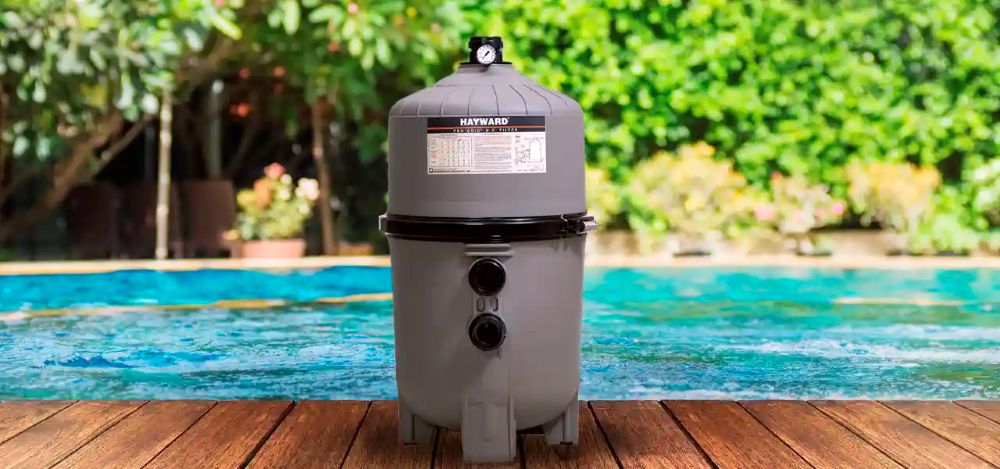
- Clean the Filter Regularly: Keep the pool filter clean and well-maintained to ensure smooth water flow and prevent blockages.
Improving circulation helps distribute chlorine more evenly throughout the pool and enhances water quality.
Using Chemical Neutralizers to Lower Chlorine Levels
In some cases, you may need to use chemical neutralizers to quickly reduce chlorine levels in your pool. These neutralizers help restore water balance. Some options include:
- Calcium Hypochlorite: Reduces chlorine levels by breaking down excess chlorine compounds.
- Sodium Thiosulfate: This chemical is ideal for emergency reduction of chlorine after accidental over-chlorination.
- Ascorbic Acid: Not only neutralizes chlorine but also helps remove metal stains from your pool.
- Sodium Sulfite: Reduces chlorine levels, particularly after shock treatments or during high chlorine exposure events.
When using these neutralizers, always follow the manufacturer’s instructions for the correct dosage and safety precautions.
Draining and Refilling Pool Water
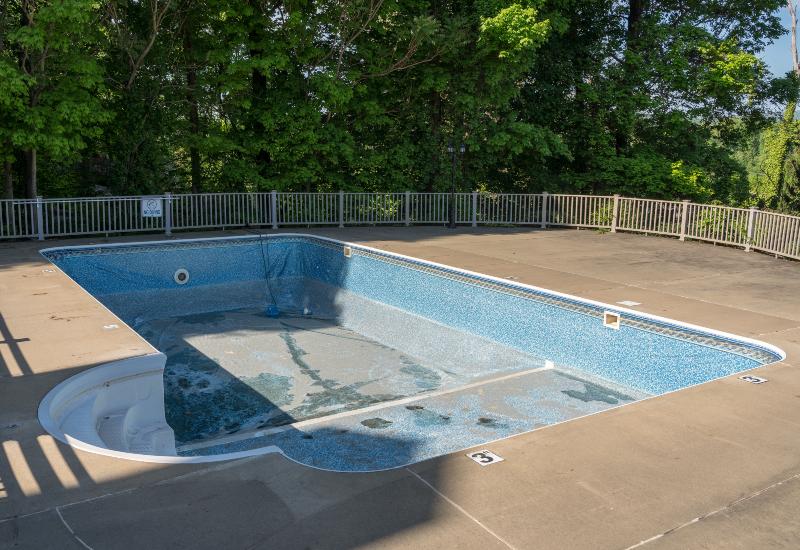
If your pool’s chlorine levels remain high despite adjustments, draining and refilling part of the pool water may be necessary. This process helps dilute the chlorine concentration and restore balance. Here’s how to do it:
- Drain a Portion of Pool Water: Depending on the severity of the chlorine imbalance, drain a portion of the water from your pool.
- Refill with Fresh Water: Refill the pool with clean, fresh water to dilute the remaining chlorine.
- Test Water Regularly: After refilling, continue testing the water to ensure that chlorine levels stabilize within the recommended range.
This method provides a quick and effective way to manage excessive chlorine levels and maintain water quality.
Seeking Professional Advice
If you’re having difficulty balancing chlorine levels, consulting with a pool professional can help. Here are some benefits of professional guidance:
- Accurate Testing: Professionals have access to advanced testing methods that provide precise chlorine level measurements.
- Tailored Solutions: They can recommend customized solutions based on your pool’s unique size, setup, and chlorine imbalance.
- Preventative Advice: A professional can offer advice on ongoing maintenance and strategies to prevent future chlorine imbalances.
- Efficient Resolution: Pool experts can intervene promptly, preventing further issues and ensuring your pool’s water stays safe and healthy.
Contact Us
Our expert team is here to help you create your dream backyard oasis. We take pride in our exceptional customer service, high-quality products, and expert craftsmanship. Let us help you make your pool and spa dreams a reality!
📍 Address: 6040 Main St, New Port Richey, FL 34653
📞 Phone: (727) 843-0423
📧 Email: info@hawaiianislandpools.com
🕒 Business Hours:
- Mon – Fri: 8 AM – 5 PM
- Sat – Sun: Closed
Contact us using the form below or call us directly for any inquiries about our pool and spa services.
Related Topics: