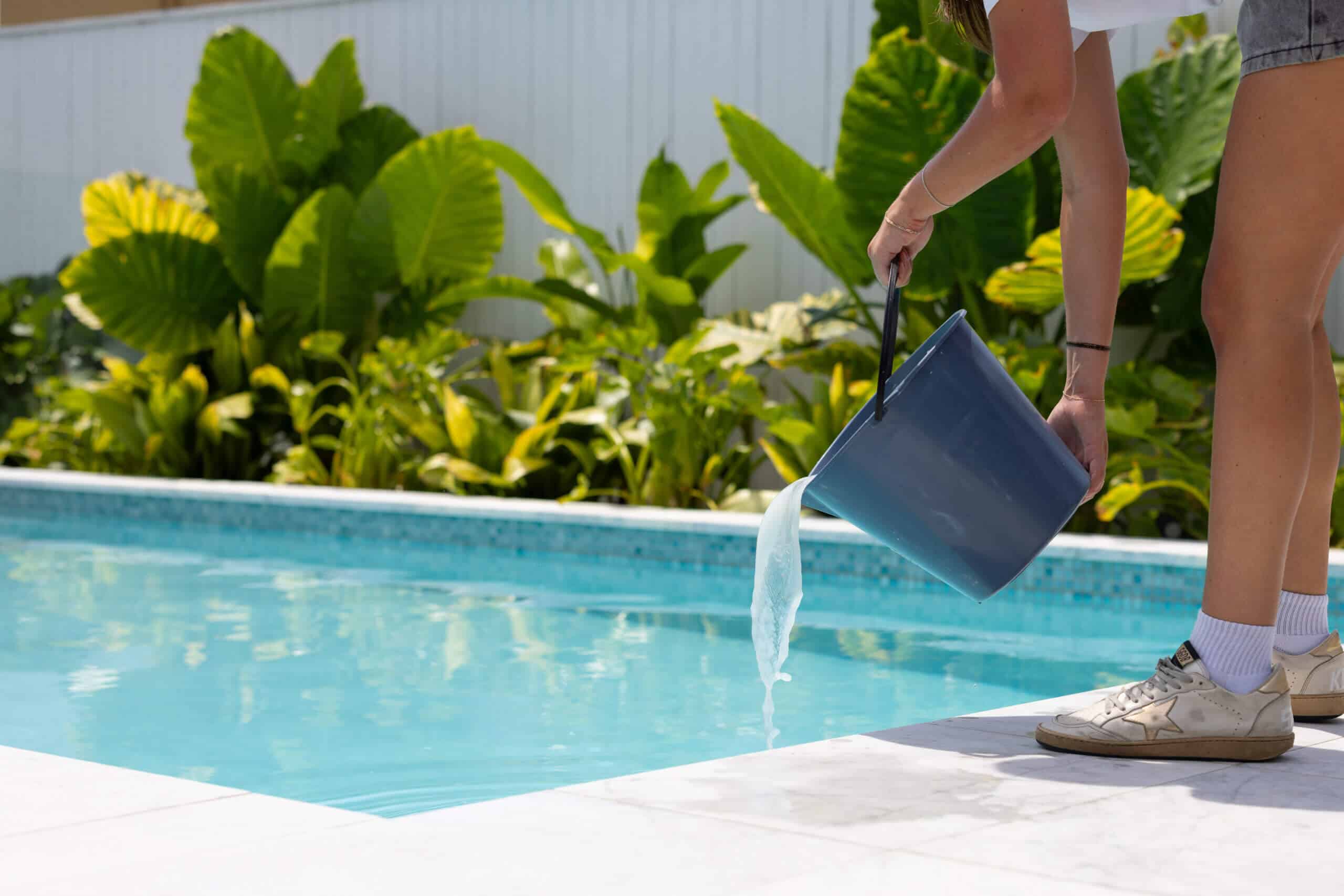
Keeping your pool’s cyanuric acid at the right level is key to protecting your chlorine from breaking down in the sun. Most reliable pool builders in Florida recommend maintaining levels between 30-50 ppm for proper sanitization. You’ll need to test your water monthly and add stabilizer products when levels drop too low. The process is straightforward when you follow the right steps and dosage instructions. This guide walks you through everything you need to know about raising and maintaining cyanuric acid in your pool.
Importance of Cyanuric Acid in Pools
Cyanuric acid, often called pool stabilizer, acts like sunscreen for your chlorine. It wraps around chlorine molecules and shields them from UV rays that would normally destroy them within hours. Without this protection, your chlorine burns off quickly, leaving your pool vulnerable to bacteria and algae. When cyanuric acid levels sit in the 30-50 ppm range, your chlorine lasts much longer and works more effectively. This means you’ll use less chlorine overall and maintain clearer, safer water for swimming.
Test Cyanuric Acid Levels Regularly
Grab a quality pool testing kit and check your cyanuric acid levels at least once a month. During peak swimming season, you might want to test more often, as heavy pool use can affect the chemical balance. Read the test kit instructions carefully to get accurate results. If your readings fall below 30 ppm, it’s time to add more stabilizer. Keep a log of your test results to track patterns and catch problems early.
Use Cyanuric Acid Stabilizer Products
Stabilizer products come in two main forms: granules and liquid. Both work well, so pick whichever you find easier to handle. Make sure you’re buying a product specifically made for pools, not generic chemicals. Test your water first to know your starting point, then calculate how much stabilizer you need based on your pool’s size. Most products include charts or calculators to help you figure out the right amount. Always double-check your math before adding anything to your pool.
Follow Manufacturer’s Guidelines for Dosage
Read the product label completely before you start. The instructions will tell you exactly how much to add based on your current levels and pool volume. Use a measuring cup or scale to get the amount right eyeballing it can lead to problems. Pour the stabilizer around the edge of your pool while the filter is running so it disperses evenly. This prevents clumping and helps the chemical mix properly throughout the water. Sticking to the recommended dosage keeps your pool chemistry balanced and prevents waste.
Avoid Overdosing Cyanuric Acid
Too much cyanuric acid causes chlorine lock, where your chlorine stops working even though it’s present in the water. This leads to cloudy, algae-prone water that needs constant attention. Always measure before adding more stabilizer, and calculate the exact amount you need. If you accidentally add too much, you’ll need to drain part of your pool and refill it with fresh water. There’s no chemical fix for high cyanuric acid. Keep levels below 50 ppm to avoid these headaches and maintain clean water.
Seek Professional Help if Needed
Sometimes pool chemistry gets tricky, and that’s okay. A pool maintenance professional can test your water with lab-grade equipment and give you exact readings. They’ll walk you through the right solutions for your specific situation and help you avoid costly mistakes. Getting expert advice prevents problems like over-stabilization that can take weeks to fix. A quick consultation now saves you time, money, and frustration down the road.
Related Topics: