
Expert local pool builders recommend learning how to properly winterize a pool to protect your investment during the cold months. This guide outlines the essential steps to close your pool for winter safely. Proper winterization prevents costly damage from freezing temperatures and keeps your pool ready for next season. The process includes cleaning, chemical balancing, covering, and equipment care. These proven methods will help you close your pool like a professional.
Cleaning and Skimming
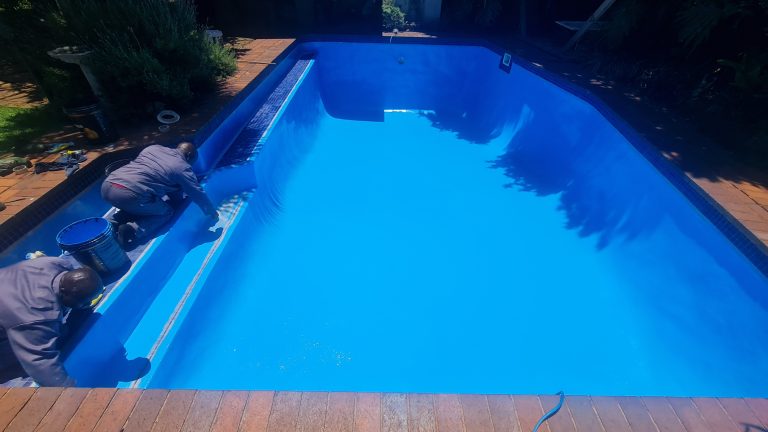
How to winterize a pool starts with thorough cleaning to remove all debris from the water. Use a pool skimmer to remove leaves, twigs, bugs, and other floating items from the surface. Scrub the pool walls and floor to remove algae buildup that may have developed during the winter. Clean debris prevents staining and keeps water clear during the closed season. This cleaning step makes spring opening much easier and faster.
Balancing Chemicals
Maintaining a proper chemical balance protects your pool water and surfaces during the winter months. Test and adjust the pH levels to maintain a range of 7.4 to 7.6, which prevents damage to pool surfaces. Set the total alkalinity between 80-120 ppm to maintain a stable pH throughout the winter. Add chlorine shock treatment before covering to kill bacteria and prevent algae growth. Consider adding algaecide as extra protection against unwanted growth.
Covering and Securing
A properly secured pool cover keeps debris out and protects your pool throughout the winter. Select a cover that suits your pool’s size and shape for optimal protection. Secure the cover tightly using water bags or cable systems to prevent wind damage. Here are key covering tips:
- Use a Pool Cover Pump: Remove standing water to prevent cover damage
- Secure the Cover Properly: Tight covers last longer and work better
- Trim Nearby Trees: Cut branches that could drop debris on the cover
- Regularly Remove Debris: Clean covers work better and last longer
Equipment Maintenance
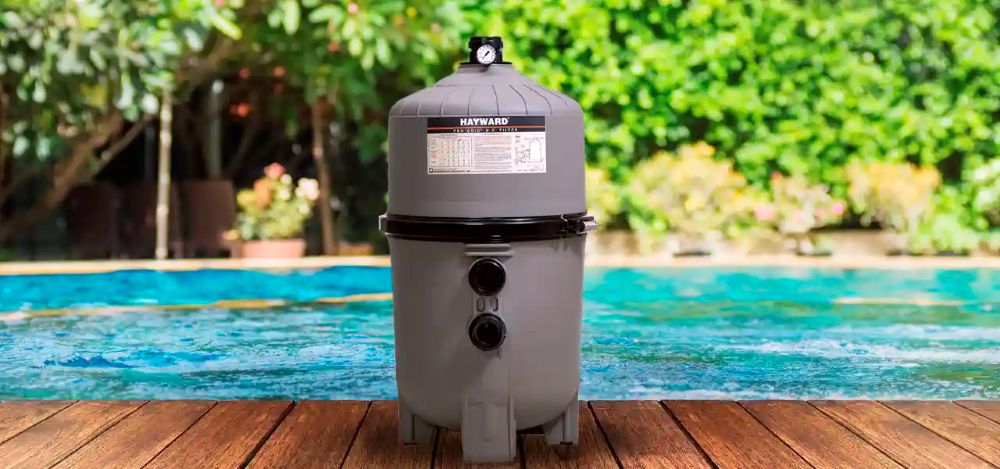
Taking care of pool equipment during winter prevents expensive repairs come spring. Clean out the pump and filter system completely, removing all debris and buildup. Check the pump for leaks, unusual noises, or weak water flow, as these may indicate potential problems. Inspect the pool heater connections for signs of rust or corrosion. Apply lubricant to O-rings and gaskets to prevent them from drying out during cold weather.
Water Level Adjustment
The right water level protects your pool equipment and prevents overflow problems during winter. Keep these water level tips in mind:
- Optimal Level: Set the water halfway up the skimmer opening
- Prevent Damage: Correct levels protect the pool pump from harm
- Avoid Overflow: Proper levels handle rain and snow without flooding
- Balance: Right water levels help maintain chemical balance
Winterizing Supplies
Having the right supplies makes pool winterization a smooth and effective process. Get a quality winter pool cover to block debris and sunlight from reaching the water. Buy pool antifreeze to protect plumbing lines from freeze damage. Use a pool air pillow under the cover to support it and prevent water buildup. Stock up on winterizing chemicals, including algaecide and stain prevention treatments. A pool cover pump helps remove excess water from your cover.
Related Topics: