Pool resurfacing keeps your backyard investment looking fresh and functioning properly for years to come. The process involves several factors that affect how much you’ll pay, which materials work best, and how long the project will take. If you’ve been eyeing recommended fiberglass pools in Florida, understanding resurfacing is part of the long-term ownership picture. This post breaks down costs, popular material choices, and realistic timelines so you know what to expect. We’ll also cover eco-friendly options and the DIY vs. professional debate.
Factors Affecting Pool Resurfacing Costs
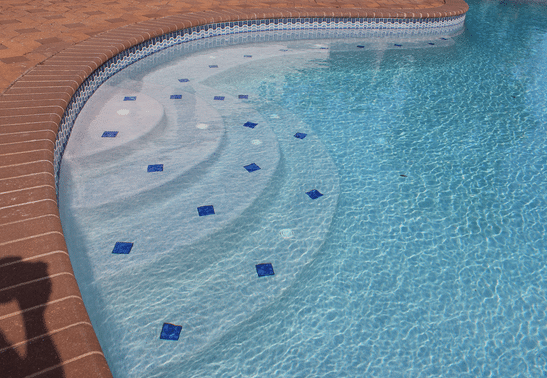
Several factors determine how much you’ll spend on a pool resurfacing project. Pool size matters most; larger pools need more materials and labor hours. The current condition of your pool surface also plays a big role. If there’s major damage or wear, you might need repairs before the actual resurfacing can start. How easy it is to access your pool affects costs, too. A pool blocked by landscaping or tight spaces means more work for the crew. The material you choose and any extras, such as decorative tiles or custom patterns, will also add to the final bill. Knowing these factors upfront helps you plan and budget effectively.
Popular Materials for Pool Resurfacing
Picking the right resurfacing material means balancing looks, durability, and upkeep. Here are three solid options:
- White Plaster: The classic choice that gives pools a clean, traditional look. It’s budget-friendly and gets the job done.
- Pebble Tec: This option has a more natural appearance and adds texture to your pool surface. It holds up well over time.
- Quartz: Quartz finishes resist chemicals and staining better than most options. They look great and last a long time.
Each material has its strengths, so consider what matters most to your pool and lifestyle.
Average Timelines for Pool Resurfacing
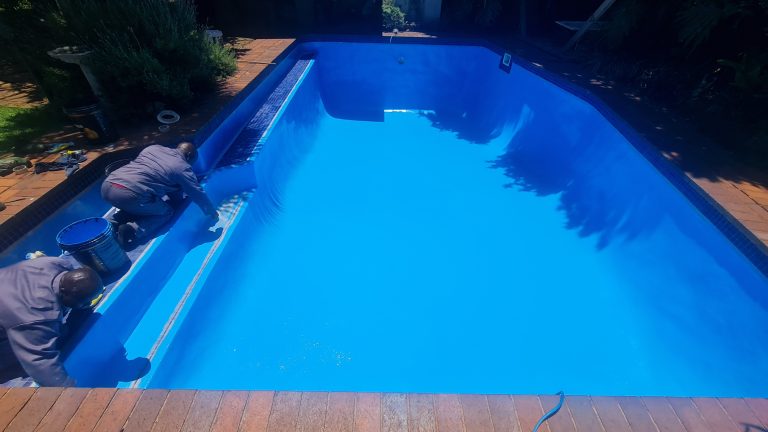
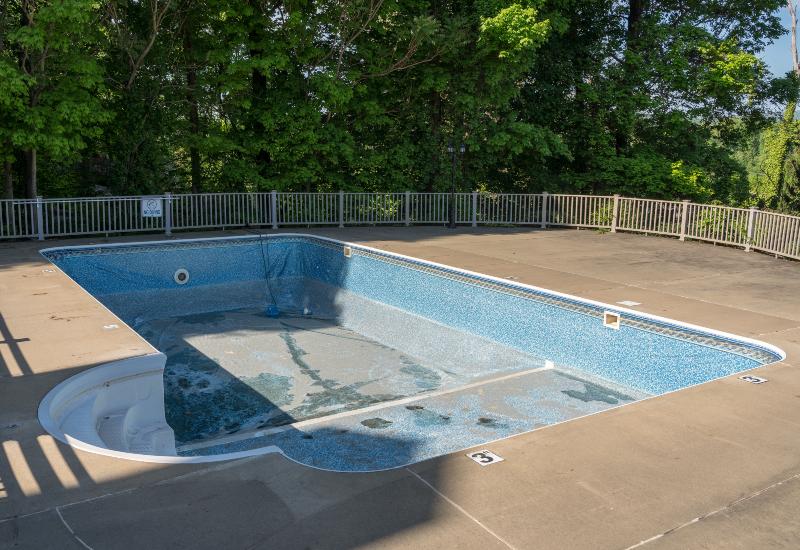
Pool resurfacing typically takes one to three weeks from start to finish. The exact timeline depends on a few things: pool size, the material you choose, weather conditions, and whether repairs are needed. A smaller pool with minor surface issues might wrap up in about a week. A larger pool that needs serious repair work and detailed tile installation could take closer to three weeks. The process includes draining the pool, prepping the surface, applying the new finish, and letting it cure. Each step takes time, so plan accordingly.
Cost Comparison: DIY Vs. Professional Resurfacing
Thinking about doing it yourself? Here’s what to consider before grabbing the tools:
- Materials Quality: DIY materials might cost less upfront, but pros use higher-grade products that usually last longer.
- Tools and Equipment: Professionals already have specialized gear. Buying or renting these tools for a one-time job can add up fast.
- Labor and Time: You’ll save on labor costs going DIY, but the time and effort can be intense. If something goes wrong, fixing mistakes costs extra.
For most homeowners, hiring a pro makes sense when you factor in quality and peace of mind.
Eco-Friendly Options for Pool Resurfacing
Going green with your pool resurfacing is easier than you think. Eco-friendly materials like pebble or glass-bead finishes look great and reduce environmental impact. These options are durable, resist chemicals well, and last longer than standard plaster, meaning fewer resurfacing jobs down the road. Water-based coatings and low-VOC products reduce harmful emissions during the process. You can also add energy-efficient equipment and solar heating to make your pool setup more sustainable overall. Choosing eco-friendly options lets you enjoy your pool while keeping your environmental footprint smaller.
Factors Influencing Resurfacing Project Durations
A few things can stretch out your resurfacing timeline:
- Pool Size: Bigger pools have more surface area to cover, which naturally takes longer.
- Extent of Damage: Major cracks or chipping require additional repair time before any resurfacing.
- Weather Conditions: Rain or extreme heat can delay outdoor work and push back your completion date.
Planning around these factors helps set realistic expectations for when you’ll be swimming again.
Related Topics: