Water bugs can turn your backyard oasis into a frustrating mess if left unchecked. These insects have special adaptations that let them thrive in pool environments, making them tough to get rid of. Local pool builders often get asked about bug prevention because it’s such a common problem for homeowners. This post covers how to identify different water bug species, prevent infestations, and remove them using both natural and chemical methods. With the right approach, you can keep your pool clean and bug-free all season long.
Understanding Water Bugs in Pools
Taking a closer look at water bugs shows just how well they’ve adapted to life in the water. These insects, part of the Hemiptera family, have specific features built for aquatic living. Their bodies are streamlined for smooth movement through water. Water bugs have long, thin legs that let them glide across the water’s surface. They also have piercing mouthparts designed for feeding on other aquatic creatures. Some species can even dive underwater by trapping air in tiny hairs on their bodies. Knowing how these bugs operate helps you manage them more effectively in your pool.
Identifying Common Water Bug Species
When you look closely at pool environments, a few water bug species show up more than others. The Water Boatman (Corixidae) has an elongated body and oar-like hind legs it uses for swimming. The Backswimmer (Notonectidae) is easy to spot because it swims upside down and has piercing mouthparts. You might also find the Water Scorpion (Nepidae) hanging out near pool walls. It has a long breathing tube and grasping forelimbs for catching prey. The Giant Water Bug (Belostomatidae) stands out for its large size and powerful forelegs, which it uses to grab food. Recognizing these features makes it easier to identify what you’re dealing with and choose the right removal method.
Preventing Water Bugs in Your Pool
Stopping water bugs before they settle in requires consistent pool care. Regular cleaning and proper water circulation go a long way in keeping bugs out. Start by skimming the pool surface often to clear debris that attracts insects. Keep chlorine levels where they should be since clean water acts as a natural deterrent for bugs. Lighting up your pool area at night can also help reduce bug activity because many water bugs prefer darkness. Staying on top of maintenance and cleanliness reduces the risk of water bugs taking over your pool.
Natural Remedies for Water Bug Removal
Natural solutions offer an eco-friendly way to get rid of water bugs in your pool area. Planting mint, citronella, or lavender near your pool helps repel these insects, as they don’t like their scents. A spray bottle filled with water and dish soap works well, too. This mixture suffocates bugs on contact. You can also mix vinegar or lemon juice with water to create a spray that deters water bugs without harming your pool. Setting up a birdhouse nearby attracts birds that feed on water bugs, creating a natural predator-prey balance. These methods give you effective bug control without harsh chemicals.
Chemical Treatments for Water Bug Control
Chemical treatments play a big role in keeping water bugs out of your pool. Insecticides like pyrethroids target the nervous system of water bugs, causing paralysis and death. Insect growth regulators (IGRs) prevent water bugs from reaching maturity by disrupting their development. Getting the dosage and application method right matters for these treatments to work. Testing your water’s pH regularly and ensuring chemicals dissolve properly will improve results. Using these chemical options strategically helps keep your pool bug-free so you can swim without the hassle.
Maintaining a Bug-Free Pool Environment
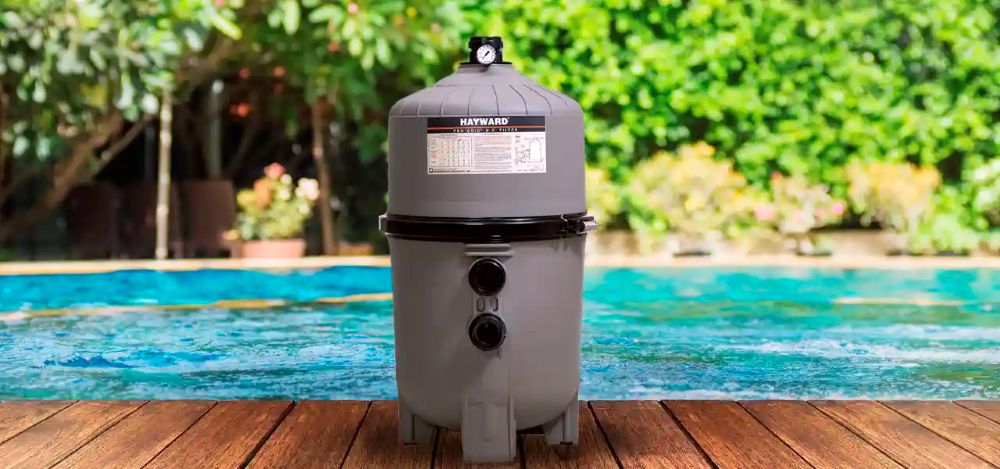
Good maintenance habits are the foundation of a bug-free pool. Skim the surface regularly to remove debris and organic matter that attracts bugs. Keeping chlorine and pH levels balanced helps prevent infestations, as bugs don’t do well in properly sanitized water. Clean your filters routinely to prevent clogs and organic buildup. Fix any leaks or standing water in the pool area quickly, as these areas can become breeding grounds. Trim nearby plants and ensure drainage works properly to reduce the risk of bugs entering your pool. Following these practices consistently lets you enjoy swimming without dealing with water bugs.
Related Topics: