Pool leaks can cause serious damage to your property and drain your wallet if left unchecked. Spotting the warning signs early helps you take action before small problems become expensive repairs. From unexplained water loss to cracks in the structure, several indicators point to a possible leak. Even pools installed by premier pool builders in Florida can develop leaks over time due to wear, ground shifts, or equipment failure. This guide walks you through the common signs of a leak and how to confirm where it’s coming from.
Unexplained Water Loss
A clear sign that your pool might be leaking is unexplained water loss. If you notice a gradual drop in water level that can’t be blamed on evaporation or splashing, you may leak. To check, run a simple bucket test. Fill a bucket with pool water and place it on the pool steps. Mark the water level inside the bucket and on the pool itself. After 24 hours, compare how much water each lost. If the pool lost more water than the bucket, a leak is likely the cause. This test helps you figure out if something is wrong and guides your next steps.
Cracks in the Pool Structure
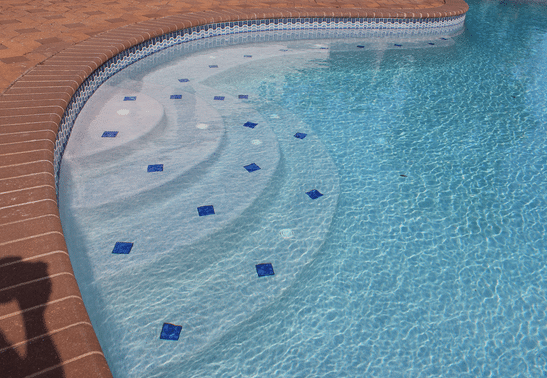
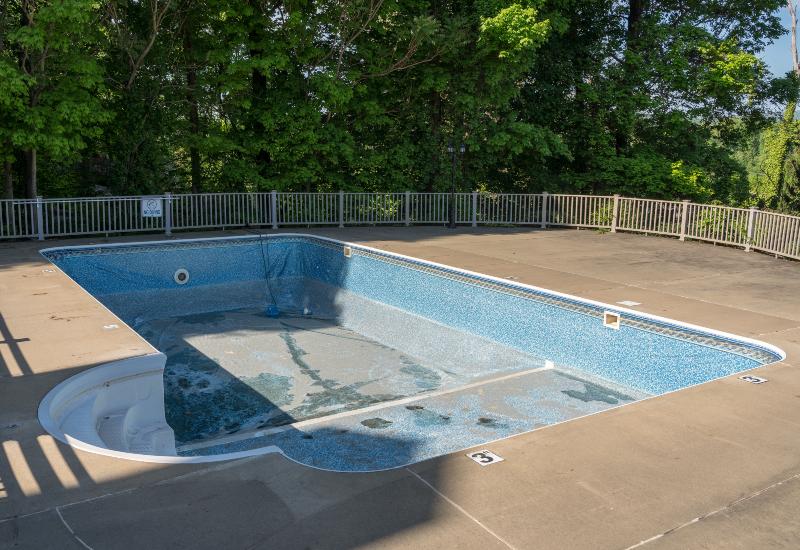
Finding cracks in your pool requires a close look at the walls and floor for visible damage. Cracks can form from ground movement, poor construction, or normal wear over time. Check for hairline fractures or larger gaps in the concrete or tiles. These openings let water seep through, causing leakage. Fix cracks quickly to prevent more damage to your pool’s structure. A pool professional can assess the severity of the cracks and recommend the appropriate repair method to keep your pool in good shape.
Wet Spots Around the Pool
Checking for wet spots around your pool can help determine whether a leak exists. Wet areas can indicate water seeping from pipes, fittings, or the pool shell. Look for ground that stays damp or muddy, especially in spots away from the normal splash zone. Wet spots can also come from broken pool equipment, such as filters or pumps, so rule these out first. To confirm a leak, try the bucket test: place a bucket filled with pool water on the steps and mark the levels. Compare how much water the bucket loses to how much the pool loses. This helps identify the problem source.
Drop in Water Level
A noticeable drop in your pool’s water level often signals a leak. Start by marking the current water level on the skimmer or tile line. Let the pool sit unused for 24 hours, then check the level again. A drop of more than a quarter inch suggests a possible leak. Keep in mind that evaporation rates and weather affect water loss, so factor these in when reading results. If the water loss seems higher than normal, conduct a more thorough inspection to identify the exact source of the leak. Catching leaks early prevents bigger damage to your pool and the surrounding area.
Algae Growth
Algae growth in your pool needs quick attention to avoid bigger issues. Algae thrive when water chemistry is off, filtration is weak, or circulation is poor. To treat algae, brush the affected spots to loosen it from surfaces. Then shock the pool with a strong chlorine dose to kill the algae. After treatment, scrub and vacuum the pool to remove the dead algae. Balance your pool’s pH levels and ensure filtration and circulation work properly to prevent algae from returning. Test and adjust water chemistry regularly to keep your pool healthy. Ignoring algae affects how your pool looks and creates health risks for swimmers.
Confirming the Leak Source
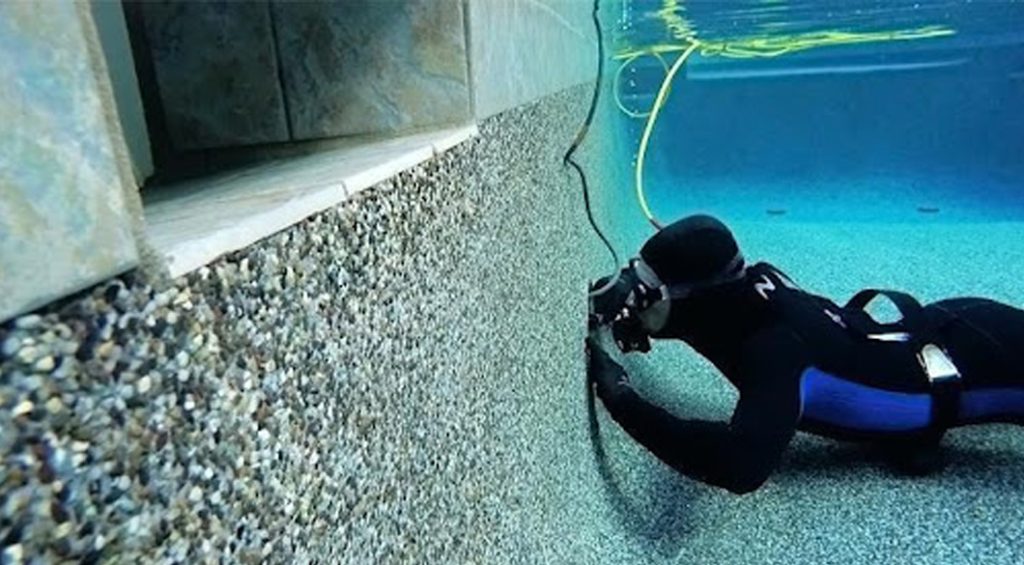
Regularly monitoring water levels and running dye tests helps pinpoint the exact leak location. This process matters for identifying the source and making the right repairs. To confirm where your leak is coming from, follow these steps:
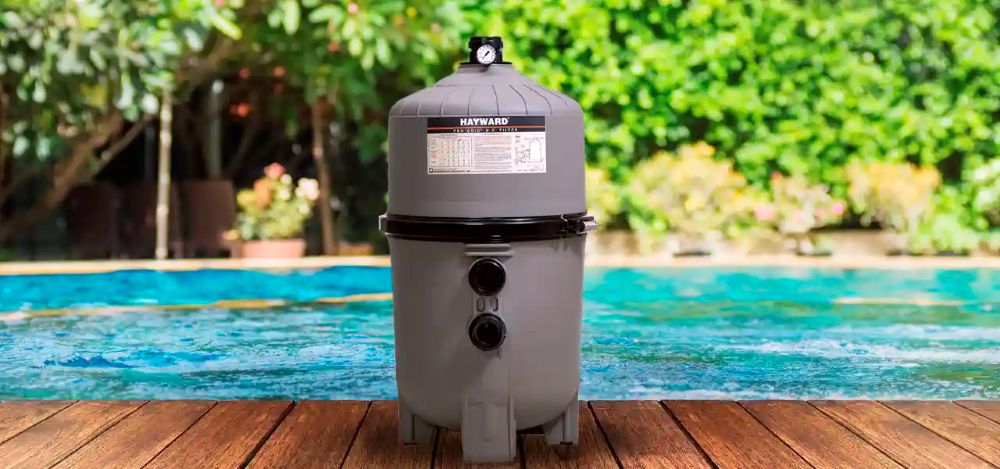
- Inspecting Pool Equipment: Check all equipment, including pumps, filters, and pipes, for signs of leakage or damage that could cause water loss.
- Examining Pool Structure: Look closely at the pool walls, floors, and tiles for cracks, gaps, or loose fittings that could allow water to escape.
- Analyzing the Surrounding Area: Check the ground around your pool for dampness, soggy soil, or standing water that could indicate an underground leak affecting your pool.
Related Topics: